
Website Development Case Studies Built Around Clarity, Better Structure, and Conversion Intent
These website development case studies show selected WordPress, Wix, redesign, migration, funnel, and service website projects where the goal was not decoration alone, but a stronger business-ready website.
Some client work cannot be fully disclosed, and I will not invent traffic lifts, revenue numbers, or fake conversion percentages. This page focuses on public examples, project context, screenshots, and the actual type of problem solved.
A useful case study explains the business problem, not just the screenshot.
Selected website development case studies and project examples.
These examples show different project types: a WordPress migration, a Wix rebuild for a local service business, and a Wix-based offer and funnel improvement project.
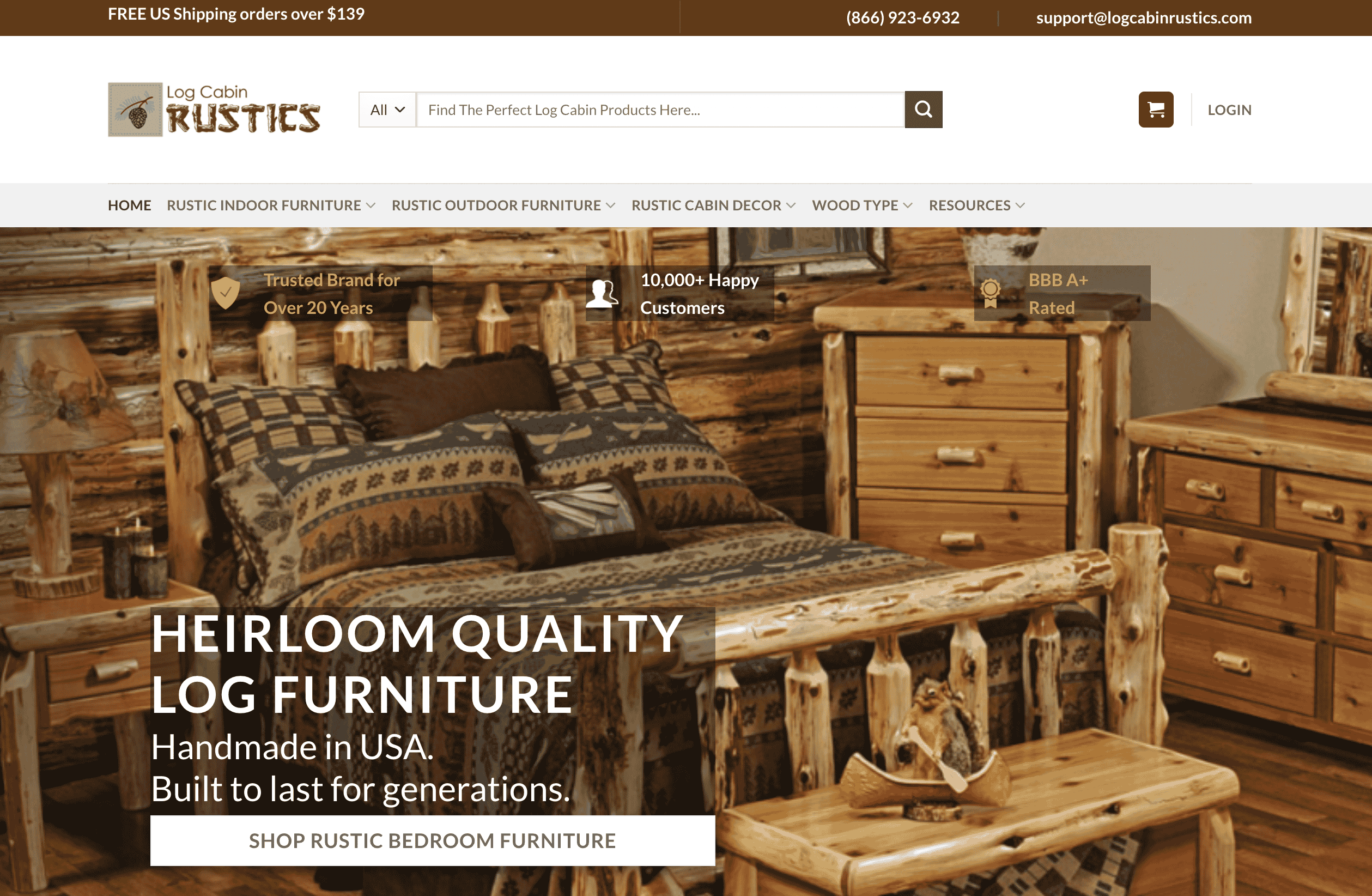
Log Cabin Rustics: moving an older website foundation into WordPress.
Context: Log Cabin Rustics had an older website foundation that needed to be moved into a more modern and manageable WordPress environment.
Approach: The priority was not just cosmetic redesign. The work focused on platform migration, better maintainability, preserving the business presence, and creating a stronger website base for future updates.
Why it matters: Many established businesses are limited by outdated website foundations. Moving into WordPress gives them better control, easier expansion, and a cleaner long-term path for content, products, and service information.
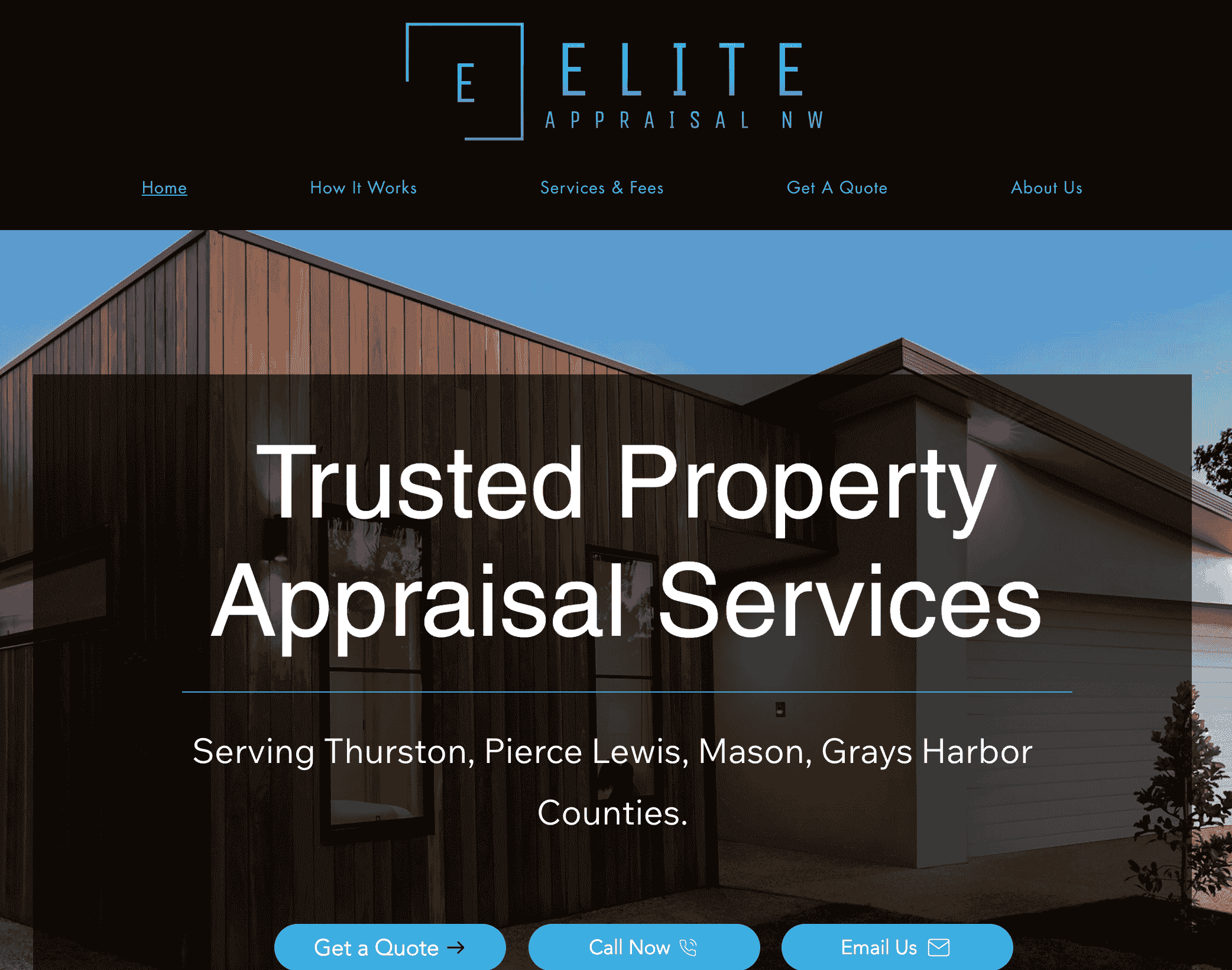
Elite Appraisal NW: rebuilding an older HTML-based site into a modern Wix website.
Context: Elite Appraisal NW needed a cleaner, more modern website presence for a local property appraisal service. The previous website was HTML-based and needed a more manageable website platform.
Approach: The rebuild focused on clearer service presentation, improved visual structure, easier navigation, stronger contact paths, and a Wix setup that is easier to maintain compared with an older static website.
Why it matters: Local service websites need quick trust. A visitor should understand the service area, the business purpose, and the next action without digging through a dated or difficult website.
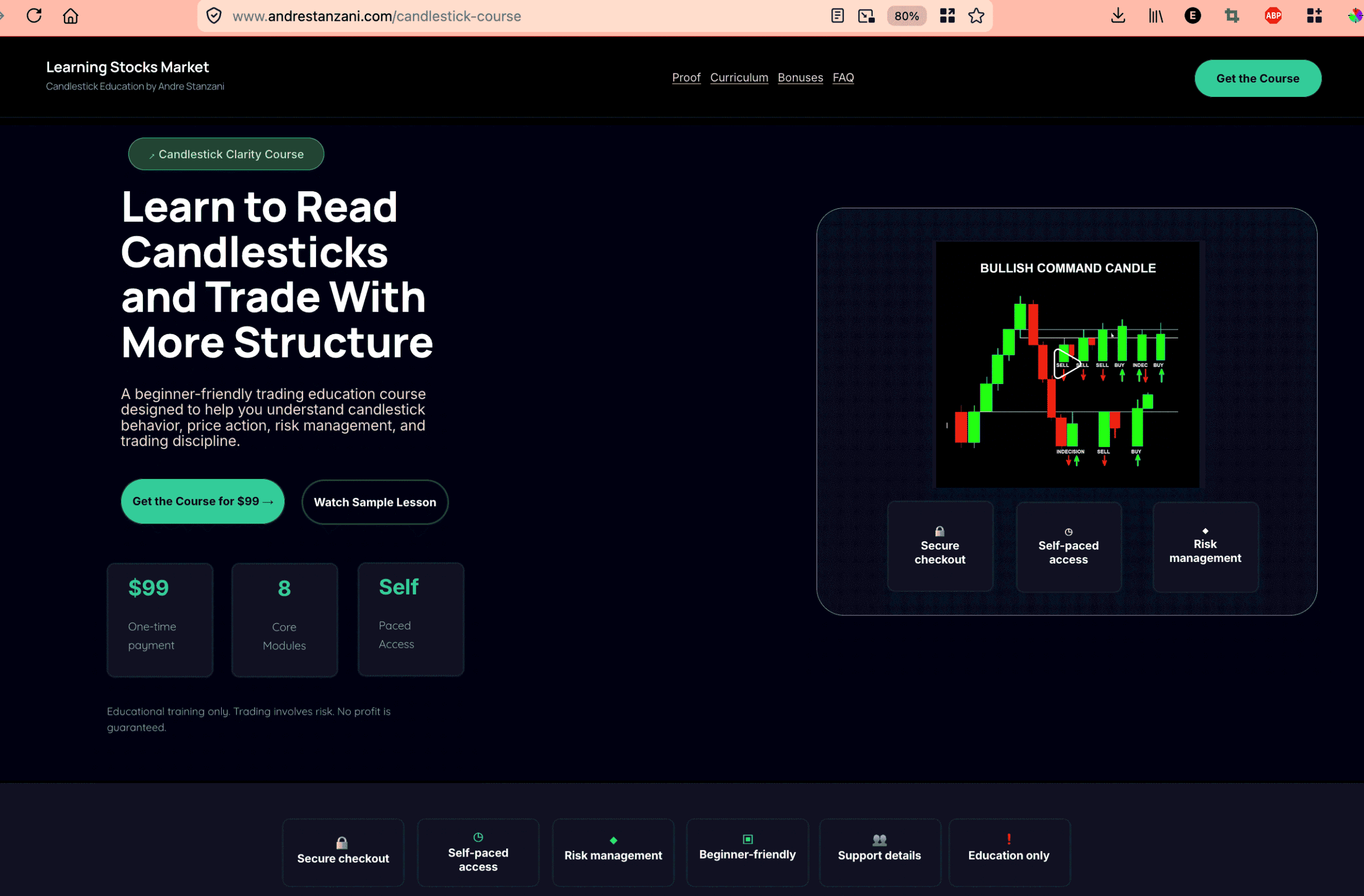
Andre Stanzani: turning a basic website direction into clearer Wix offer pages and funnels.
Context: Andre needed a stronger online presence for his trading education offers. The previous site direction was too basic for the level of trust, structure, and offer clarity needed to support a serious buying decision.
Approach: The work focused on improving the Wix website experience, structuring offer pages, building clearer course and funnel sections, and giving visitors a more direct path from interest to action.
Why it matters: A course or offer website cannot rely on a nice-looking page alone. It needs trust, proof, curriculum clarity, risk disclaimers, CTAs, payment flow, and a page structure that answers buyer concerns before asking for the sale.
A focused local-market entry point for COD sellers, WhatsApp-first ordering, Shopify, WooCommerce, Wix, and Local SEO demand in Pakistan.
Pakistani Ecommerce Landing Page Microsite: a focused entry point for COD, WhatsApp, and Local SEO demand.
Context: I created a separate public resource for Pakistani ecommerce sellers and local businesses instead of forcing every local-market message into the main MansoorHabib.com website.
Approach: The microsite was built as a fast static HTML/CSS site around real Pakistani buyer language: ads running but orders not coming, COD trust gaps, WhatsApp order flow, Shopify/WooCommerce/Wix landing pages, and Google Maps / Local SEO visibility.
Why it matters: This is not presented as a client result or fake performance case study. It is a live market-entry resource that shows localized positioning, bilingual copy direction, fast static build workflow, internal SEO structure, and a practical offer for Pakistani sellers.
Website development case studies are useful when they reveal the pattern behind the work.
The platform changes from project to project, but the strategic pattern stays similar: identify what is weak, rebuild the structure, improve clarity, and guide visitors toward the right next step.
Migration is not only technical
Moving from an older platform or static setup is also a business decision. The website needs to become easier to update, expand, maintain, and trust.
Local service websites need instant clarity
For service businesses, visitors need to understand the service, location relevance, contact path, and trust signals quickly.
Offer pages need buyer logic
Course, VIP, book, and funnel pages need proof, structure, objections, FAQs, pricing clarity, and CTAs placed where they make sense.
Design must support the message
A design can look attractive and still fail if it does not explain the offer or move the visitor through the decision process.
SEO and conversion overlap
Clear headings, useful sections, stronger FAQs, internal links, and better page intent help both search engines and real visitors.
Evidence beats exaggeration
A portfolio should show real work, real websites, and real project thinking without unsupported numbers or artificial claims.
I do not judge a website by looks alone.
A good-looking website can still fail if it does not explain the offer, answer buyer questions, support SEO, build trust, or guide visitors toward action.
- ✓Positioning: Does the visitor understand who the business helps and why it matters?
- ✓Structure: Are the sections ordered in a way that matches the buyer’s decision process?
- ✓Trust: Does the page provide enough proof, clarity, and reassurance?
- ✓SEO: Are headings, content depth, FAQs, internal links, and metadata aligned with page intent?
- ✓Conversion: Is the next step obvious and appropriate for the visitor’s level of readiness?
Case studies should not become marketing fiction.
I will not invent traffic lifts, revenue numbers, conversion percentages, or client claims without evidence. That may sound less flashy, but it is more credible.
If a project has no verified analytics or public permission to share deeper details, I describe the problem solved and the work performed instead of pretending to have numbers.
The work is not limited to one platform or one page type.
The common thread is not WordPress alone, Wix alone, SEO alone, or design alone. The common thread is making websites more understandable, useful, structured, and conversion-aware.
WordPress foundation
Projects where the business needs platform flexibility, service pages, content structure, SEO readiness, and future expansion.
Wix speed and funnels
Projects where the business needs fast visual execution, landing pages, offer funnels, course pages, and simpler ongoing updates.
Search-ready content
Projects where weak copy, poor headings, thin sections, and missing FAQs reduce both SEO potential and visitor confidence.
Cleaner visitor flow
Projects where the page needs stronger hierarchy, better mobile readability, clearer sections, and a less confusing journey.
Conversion thinking
Projects where CTAs, proof, objections, process explanation, and offer clarity need to support a real business action.
Diagnosis first
Projects where the safest move is not an immediate rebuild but a clear audit of what is actually broken.
How I turn a weak website into a stronger project plan.
The process changes by project type, but the logic stays consistent: diagnose the business problem, structure the page, build intentionally, and review for clarity.
Review the current state
I review the website, offer, audience, platform, page structure, content, mobile flow, and conversion path.
Identify the real problem
The issue may be copy, design, trust, SEO, page intent, technical friction, offer clarity, or several problems together.
Build the improved version
I create or refine the page with stronger structure, clearer content, better hierarchy, and a more deliberate action path.
Prepare the page for use
I review responsiveness, links, CTA clarity, metadata direction, internal linking, and practical launch-readiness details.
Website development case studies questions.
These answers clarify how I present selected work, privacy-limited projects, and project examples without inventing unsupported claims.
Are these website development case studies full client breakdowns?
Some examples can be described publicly, while others are limited by privacy, NDA, or lack of permission to share full details. I only share what can be presented responsibly.
Do you show exact traffic or conversion results?
Only when reliable data and permission are available. I do not invent revenue, traffic, ranking, or conversion claims for marketing purposes.
What types of projects do you handle?
I handle WordPress website development, Wix website design, HTML-to-Wix rebuilds, website redesign, SEO website content, landing pages, funnels, and practical website audits.
Can you create a similar project for my business?
Yes, if the project matches my focus: clear service positioning, stronger website structure, SEO-ready content, trust-building pages, and conversion-focused visitor flow.
Why are some project details generalized?
Some client conversations, private business concerns, and behind-the-scenes project details should not be published. The public page should show the project type and work performed without exposing private client context.
What is the best first step?
If you already have a website, start with a website audit. If you need a new build, send the project details so the right platform, page structure, and scope can be identified.
Need a website project that belongs on this page for the right reasons?
Send the website link, business type, target audience, and what you want the site to achieve. I will help identify whether you need an audit, redesign, WordPress build, Wix funnel, landing page, or SEO content work.